-
Chicago: 312-554-7550
-
St. Louis : 314-432-1661
-
Metro East IL : 618-346-8324
-
Central IL : 217-528-0500

Mike Rowe's Lesson About Work That Matters the Most
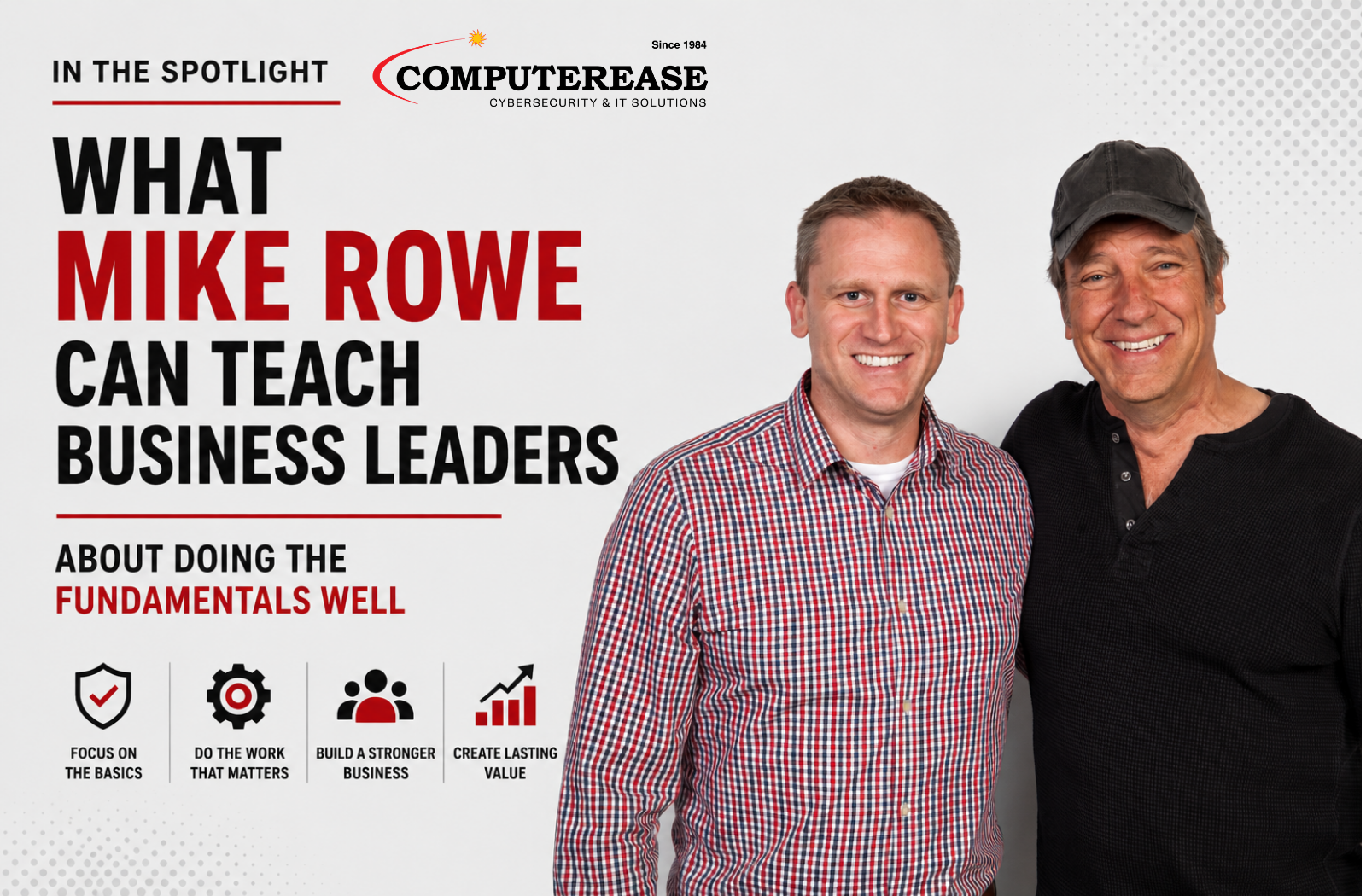
I’ve had the chance to meet Mike Rowe a couple of times and hear him speak, and one thing has always stayed with me. He has a way of getting people to pay attention to work most of us never think about.
Before Dirty Jobs, Mike’s path was anything but predictable. He worked at QVC, sang opera professionally, and spent years as a TV news reporter. During those reporting years, his grandfather asked him a simple question: “When are you ever going to do some real, honest work?”
The next day, Mike arranged to interview a sewer repair worker in San Francisco, expecting a routine news story. Instead, once he climbed underground with his camera crew, everything changed. The most interesting part of the story wasn’t the sewer itself. It was the person who had spent years doing difficult, essential work that millions of people depended on without ever thinking about it. That single assignment eventually became Dirty Jobs, a show built entirely around people whose work is essential but almost always overlooked.
Why This Story Stays With Me
I keep coming back to that idea because it describes how I’ve always seen our own work at Computerease. We’ve been doing this since 1984, two generations of the same family working with local businesses through every technology shift you can
name. And in all that time, the most valuable work we do is rarely the work anyone notices. That’s not a complaint. It’s the point.
Mike built a career by shining a light on people whose quiet, steady effort held everything together, and I’ve spent my career believing that same kind of effort is what keeps a business running, even when nobody sees it happening.
Every Business Has Its Own Dirty Jobs
Every successful business has its own version of a dirty job, and it usually looks nothing like the work that wins awards or makes headlines. It’s the routine tasks that quietly keep everything moving: maintaining equipment, documenting procedures, training people, reconciling accounts, and checking that important systems are working the way they should.
Most of that work isn’t exciting, and when it’s done well, nobody notices it at all. The only time it becomes visible is when it doesn’t get done, and then everyone feels the consequences at once.
Technology Works the Same Way
Everyone is talking about AI, and for good reason. It’s changing fast and will genuinely help people work faster, organize information, and handle repetitive tasks. What AI doesn’t do is replace the work that has always kept
businesses running. Backups still need to be tested, hardware still needs to be replaced before it fails, and employees still need guidance on how to use new tools safely. Those jobs aren’t glamorous, but they’re the reason a business keeps operating when something unexpected happens.
My CISSP background has taught me that discipline matters more than any single tool. Prevention beats reaction, and small, consistent decisions protect a business far more than chasing the latest innovation. Cloud computing, cybersecurity, AI – each created real opportunity, but none of them removed the need to do the basics well.
The Work Nobody Notices
The work that keeps a business strong is usually the work nobody notices, at least not until it’s no longer being done. New tools can make good work faster and better, but they can’t replace the quiet discipline underneath them.
When the fundamentals are handled well, a business stays steady and ready for whatever comes next, and the people running it get to focus on what they do best, trusting that the unglamorous work is already taken care of. Mike Rowe built a career reminding us that the most valuable jobs are often the ones we never see. Nearly forty years in, that’s still the work we’re most proud to do.
Key Takeaway
The work that keeps a business running is often the work no one notices. While AI, cybersecurity, and new technologies continue to evolve, long-term success still depends on consistently maintaining the fundamentals. From testing backups and securing systems to supporting employees and preventing problems before they occur, these behind-the-scenes efforts create resilience. As Mike Rowe’s story reminds us, the most valuable work is often the quiet, essential work that keeps everything moving.